
Prompt Engineering: How to Ask AI Exactly What You Need 🤖✨
Introduction:
The Real Art of Asking AI Exactly What You Need
If you’ve ever typed a question into an AI tool and received a response that felt… underwhelming, you’re not alone. The difference between a generic answer and one that blows your mind often comes down to how you ask the question.
A vague prompt is like walking into a restaurant and saying: “Cook me something.” You might get lucky, but you’ll probably miss exactly what you were craving.
Prompt Engineering is the practice of crafting clear, strategic instructions so that AI doesn’t just respond — it delivers tailored, specific, and high-value results. Done right, it transforms AI from a simple tool into a true creative partner.


What Is Prompt Engineering and Why It Matters 📌
Prompt Engineering is the intentional design of instructions you give AI models to produce results aligned with your needs. It’s not just about words; it’s about context, clarity, and intent.
The term became popular with the rise of ChatGPT, Claude, and Gemini, but the concept is timeless: the quality of your input determines the quality of your output.
In practical terms, strong prompts:
-
Save time
-
Reduce revisions
-
Unlock creativity and analysis
Whether you’re working on marketing copy, coding, or research, Prompt Engineering can be the difference between a mediocre draft and publication-ready content.
The Role of Prompt Engineering in AI Conversations 💬
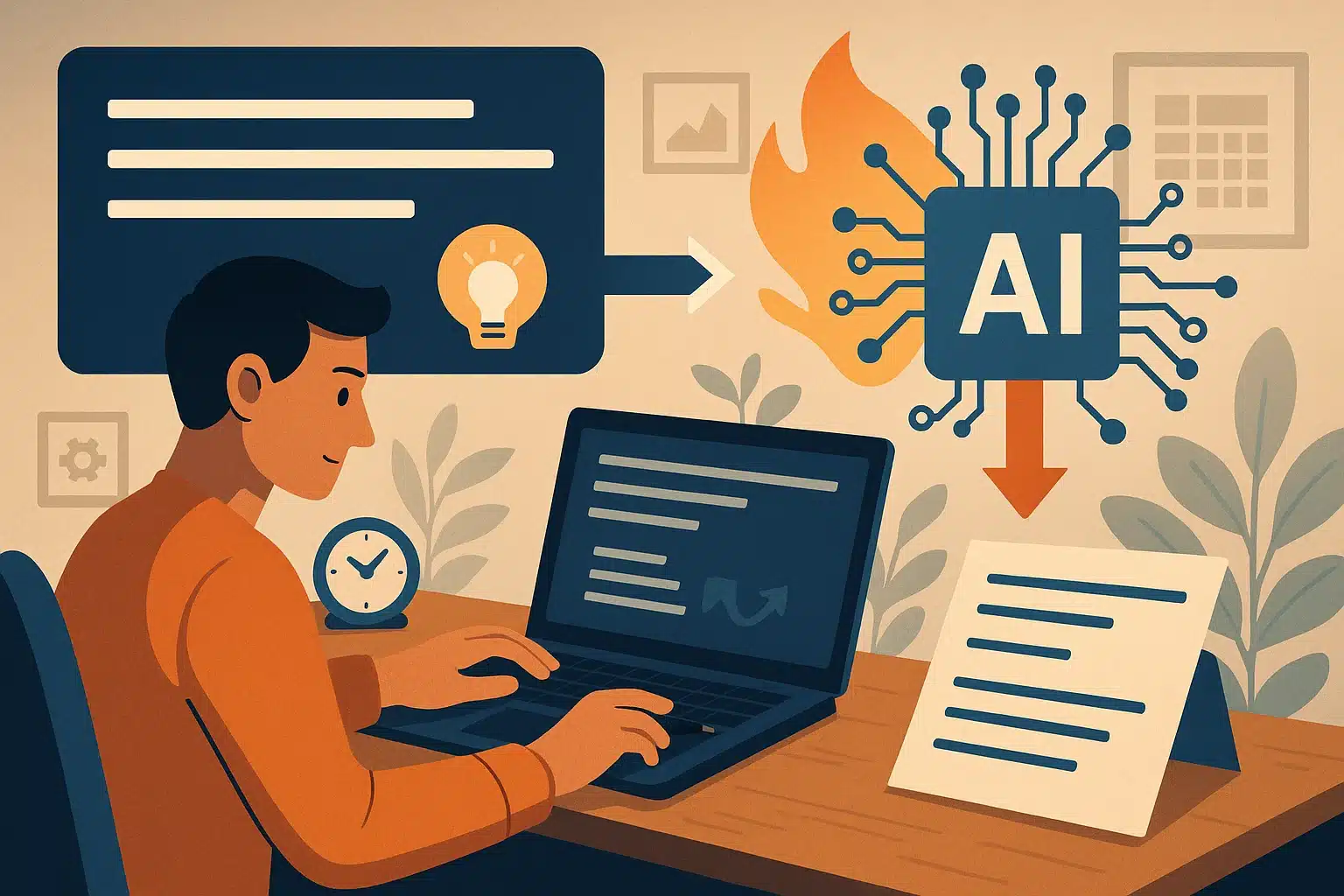
AI is inherently conversational. Every prompt is a turn in the dialogue, and the way you set it up determines the AI’s thought process.
When you provide a role, context, and objective right from the start, AI adopts that identity and focuses on your goal. Just like a designer with a clear brief delivers better work than one with vague instructions.
Example:
“Act as a digital marketing expert with 10 years of experience”
instantly upgrades the depth and relevance compared to a cold, context-free question.

The Three Pillars of an Effective Prompt 🏛️
After hundreds of experiments, I’ve found that great prompts consistently include three key elements:
- Role → Tell AI who to be in this task.
Example: “You are a personal trainer specializing in functional fitness.” - Context → Provide background and conditions for the request.
Example: “…Design a four-week home workout plan for a 35-year-old using only dumbbells.” - Objective → State the exact result you want.
Example: “…Include daily exercises, technique explanations, and a progression system formatted in a table.”

The Power of Details: Fine-Tuning Your Prompt for Maximum Precision 🎯
Details are where the magic happens.
You can improve prompts dramatically by specifying:
-
Tone: formal, motivational, witty, technical
-
Format: list, table, script, storytelling
-
Length: short, 300 words, 5 paragraphs
-
Audience: beginners, experts, executives
Basic example:
“Write an article about AI.”
Optimized example:
“Write a 1,000-word persuasive article in a conversational tone for small business owners, explaining how AI can improve efficiency. Include real-world examples and calls-to-action.”

Common Mistakes When Asking AI (and How to Avoid Them) ⚠️
Frequent mistakes include:
-
Being too vague (“Tell me about marketing”)
-
Skipping the role → leads to generic answers
-
Not defining the format → results in messy outputs
-
Overloading one prompt instead of breaking it down
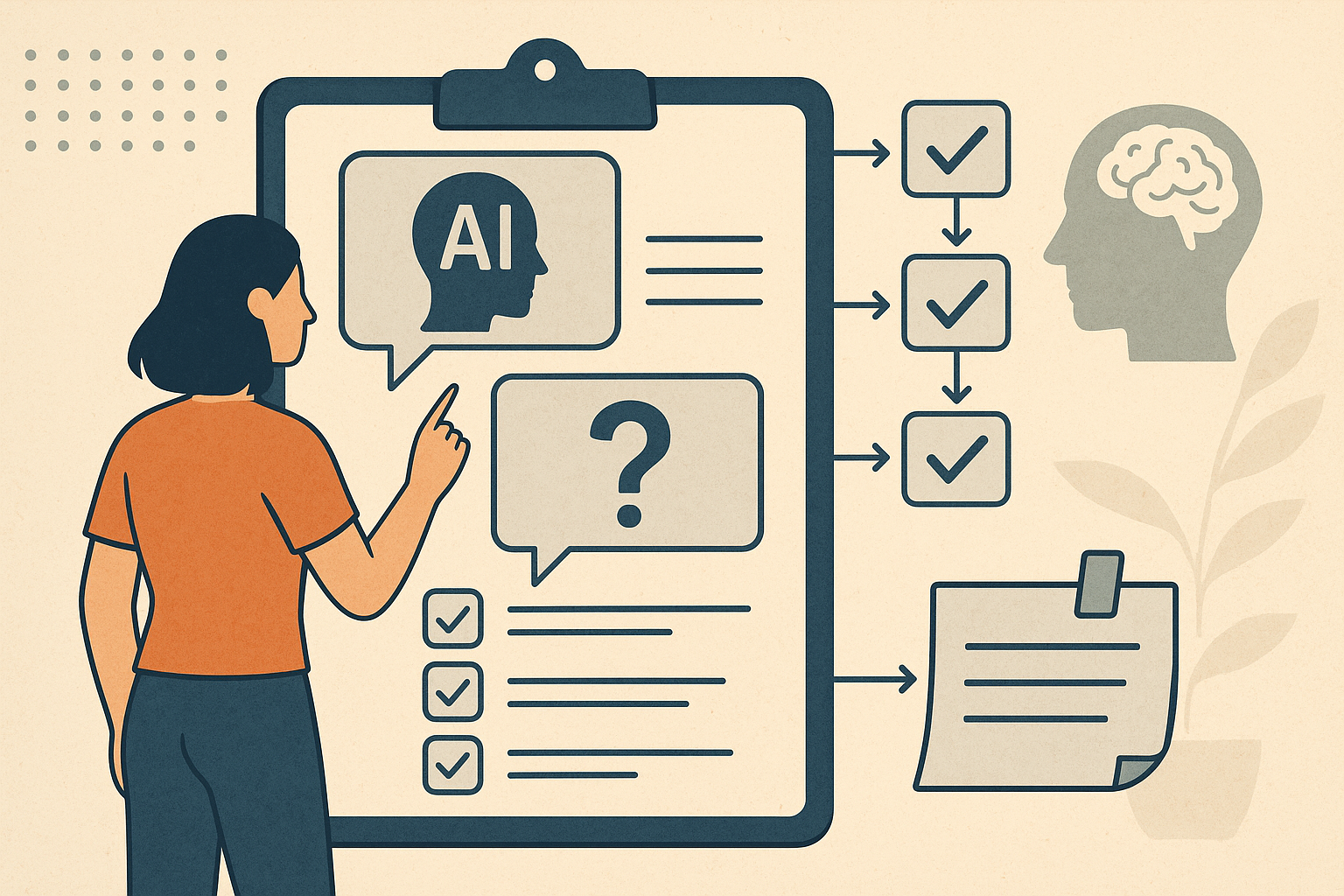
Quick Fix: Run your prompt through this checklist: Does it have a role, context, objective, and extra details? If not, revise before sending.
Iterating to Perfection: The Prompt Refinement Cycle 🔄
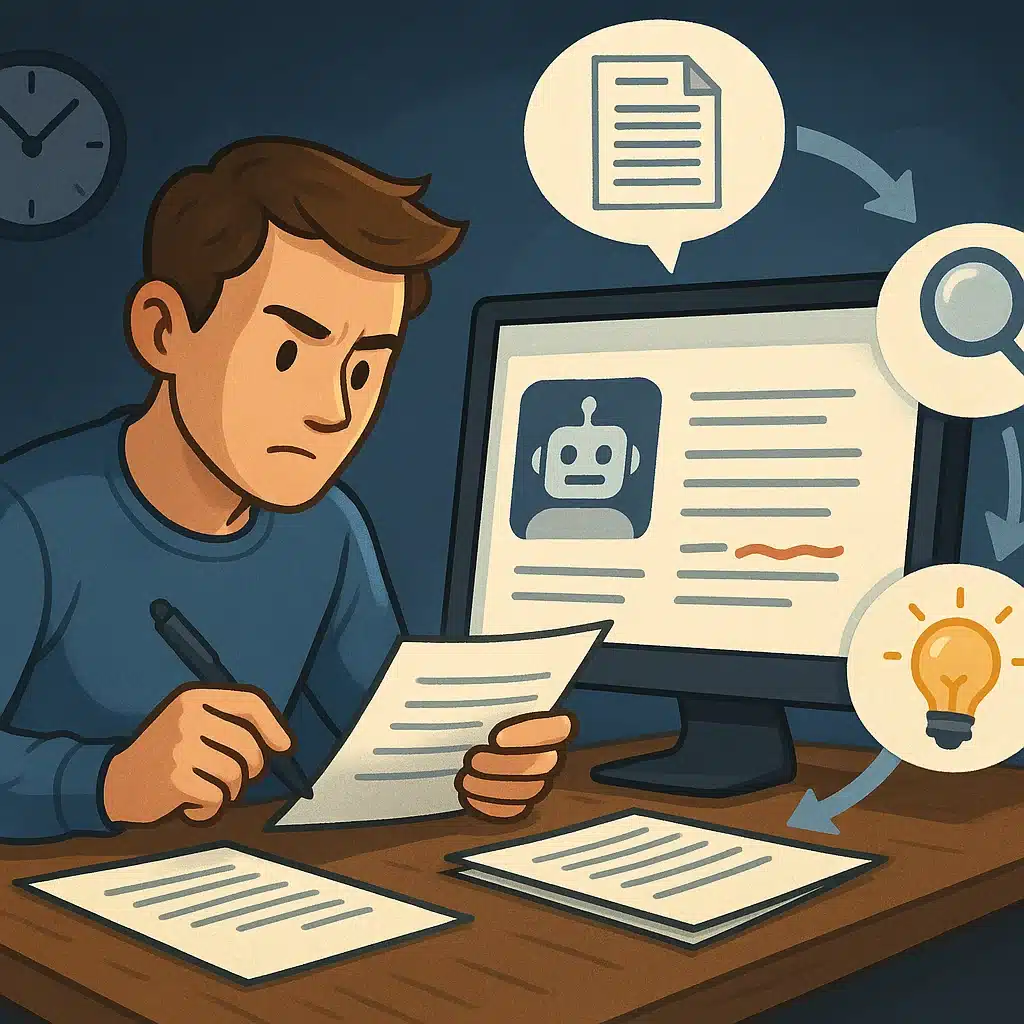
Almost no first output is perfect. Here’s the process I use:
- Write a detailed prompt with role, context, objective, and details.
- Review the result for gaps or weaknesses.
- Request targeted improvements (“Add more examples”, “Make it more inspiring”, “Use visual metaphors”).
- Repeat until it’s exactly right.
💡 Tip: AI doesn’t get tired, so iteration is your best friend.
Examples of Powerful Prompts Across Different Fields 💡
-
Marketing → “Act as an e-commerce growth strategist. Create a 30-day email campaign to recover abandoned carts using storytelling and urgency triggers.”
-
Education → “You are a high school history teacher. Create a one-week lesson plan on the Industrial Revolution for 15-year-olds, including interactive activities.”
-
Programming → “Act as a senior Python developer. Refactor this script for better performance and explain each change.”
-
Fitness → “You are a personal trainer experienced in injury rehab. Create a safe 3-week knee recovery workout plan.”
-
Creative Writing → “Write a 1,500-word short story in the style of Neil Gaiman, set in a post-apocalyptic library.”
Advanced Strategy: Divide and Conquer 📚
For large requests:
- Ask AI for an outline or structure first.
- Once approved, have it expand each section.
This prevents vague summaries and results in richer, more focused content.

Tools and Resources to Improve Your Prompt Engineering 🛠️
-
Prompt templates and libraries
Prompt Engineering for Beginners vs. Experts 🧠
-
Beginners focus only on what they want.
-
Experts focus equally on how they ask.
An expert will:
-
Consider the AI’s “mindset”
-
Frame the request strategically
-
Break it into steps
-
Test multiple variations
Frequently Asked Questions (FAQs) ❓
1. What is a prompt in AI?
A prompt is the text instruction you give to an AI model to get a response.
2. How detailed should a good prompt be?
It should include role, context, objective, and—if possible—tone, format, and audience.
3. Can Prompt Engineering help with SEO?
Yes! You can create prompts specifically designed to generate SEO-optimized content.
4. Where can I practice Prompt Engineering?
On tools like ChatGPT, Claude, Gemini, and in online prompt communities.
Conclusion: Designing Intelligent Conversations with AI 💎
Prompt Engineering is not just “giving orders” — it’s about designing intelligent conversations where AI understands your context, thinks through your request, and delivers custom-crafted content.
📌 Golden Rule: The clearer and more specific you are, the more AI becomes a real creative partner.