Generative AI vs. Predictive AI: Key Differences for Your Career
Introduction:
Why Understanding Generative vs. Predictive AI Is Crucial for Your Career
In today’s world, where artificial intelligence is deeply integrated into every industry, knowing the difference between Generative AI and Predictive AI is not a luxury — it’s a strategic necessity for any professional.
Both technologies boost productivity, optimize processes, and open new business opportunities, but they do so in radically different ways.
From my professional experience, working with both has allowed me not only to produce better, faster content, but also to anticipate trends and risks — a decisive factor in making better decisions and staying competitive.


What Is Generative AI? 🎨
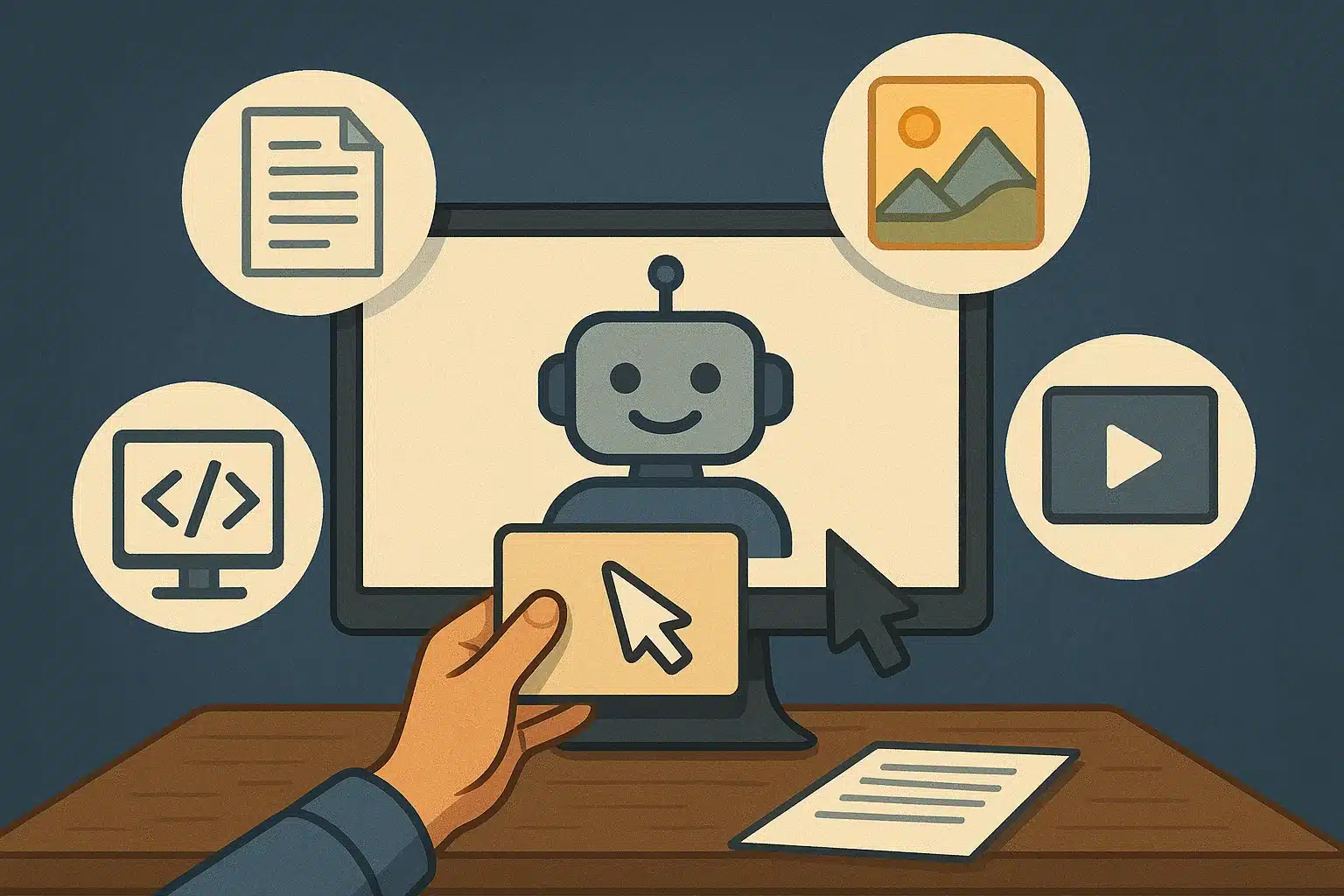
Generative AI refers to AI systems that can create new content from instructions or prompts. This includes:
-
Text
-
Images
-
Music
-
Designs
-
Videos
-
Even code
Famous models include ChatGPT, Midjourney, DALL·E, and Claude AI. They act like creative assistants that never sleep, producing everything from article drafts to visual prototypes ready for client presentations.
💡 In my day-to-day work, Generative AI is like having a creative teammate on demand. When I’ve faced creative blocks while developing a marketing campaign or preparing a complex document, Generative AI has given me a solid first draft, saving hours and freeing my energy for the refinement stage.
Example: In an advertising design project, I used a generative model to create 10 initial proposals in minutes — then simply selected and refined the most promising ones.
Key Career Applications of Generative AI 🚀
-
Marketing & Advertising → Generate ad copy, slogans, scripts.
-
Digital Design & Art → Create illustrations and compositions.
-
Creative Programming → Prototype software and generate code.
-
Education & Training → Build teaching materials and simulations.
What Is Predictive AI? 📊
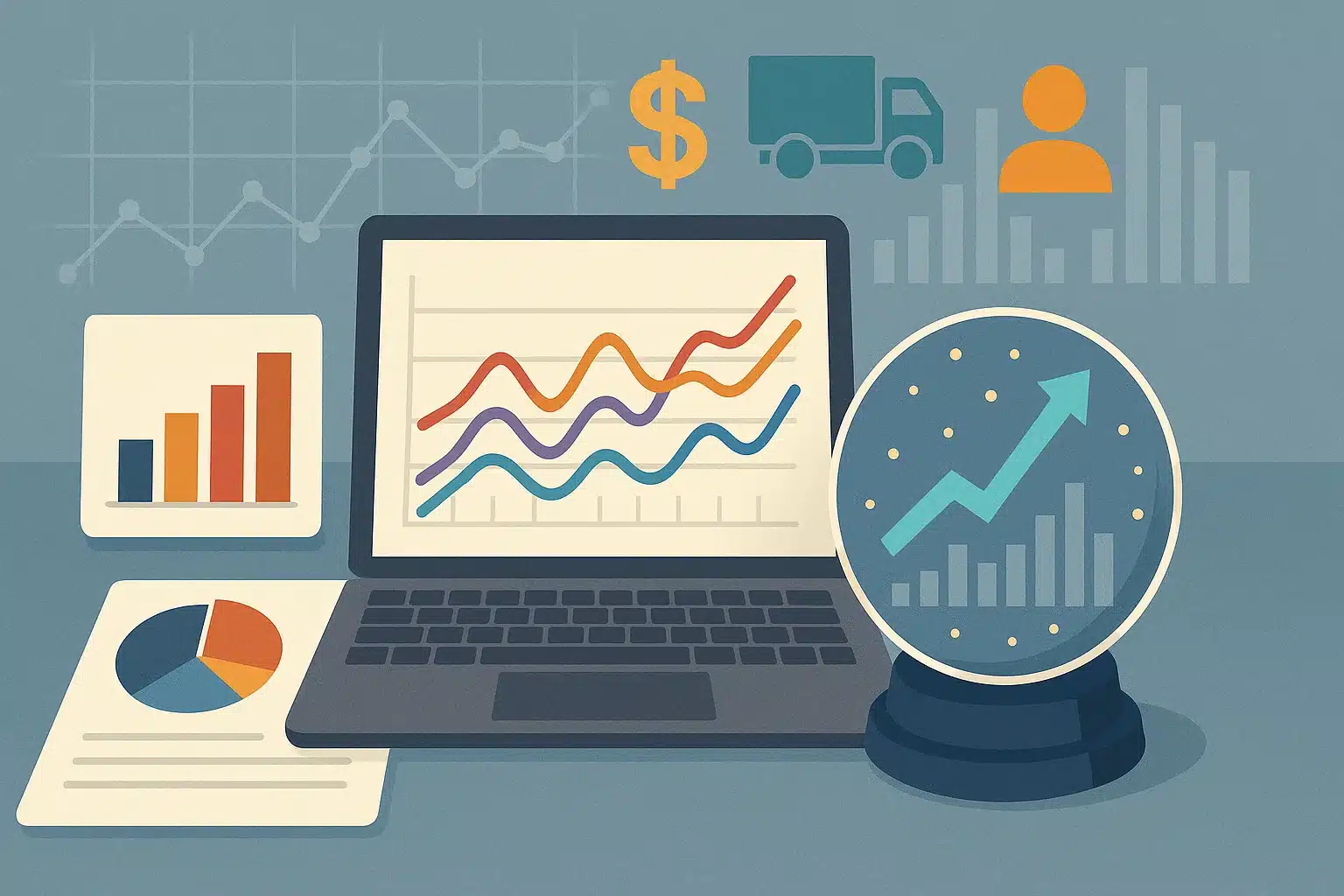
Predictive AI analyzes historical data to forecast future events or estimate probabilities. It doesn’t create something from scratch — instead, it acts like a silent advisor that “sees” the future based on patterns and trends.
Well-known examples include:
-
Sales forecasting models
-
Financial risk analysis tools
-
Industrial failure prediction systems
💡 Personal example: In an e-commerce project, I used a predictive analytics tool that forecasted a demand spike weeks before it happened. That prediction avoided unnecessary inventory purchases and saved the company thousands of dollars.
Predictive AI turns raw data into strategic intelligence, helping make safer, data-driven decisions.
Key Career Applications of Predictive AI 📈
-
Finance → Revenue forecasting, portfolio management.
-
Logistics → Inventory optimization, route and time planning.
-
Marketing → Advanced segmentation and conversion prediction.
-
Risk Management → Early fraud or failure detection.
Quick Comparison Table 📋
| Aspect | Generative AI | Predictive AI |
|---|---|---|
| Goal | Create new content | Predict future results |
| Input | Instructions (prompts) | Historical data |
| Output | Text, images, code, audio | Probabilities, trends, scenarios |
| Value in My Work | Accelerates creativity & production | Improves strategic decision-making |
Professional Use Cases: Lessons from Experience 💼
When working in content marketing, Generative AI is my go-to tool for producing more in less time. For a product launch, I generated 15 ad copy variations and tested which ones connected best with the audience.
In contrast, for strategic projects, Predictive AI has helped me anticipate risks and optimize resources.
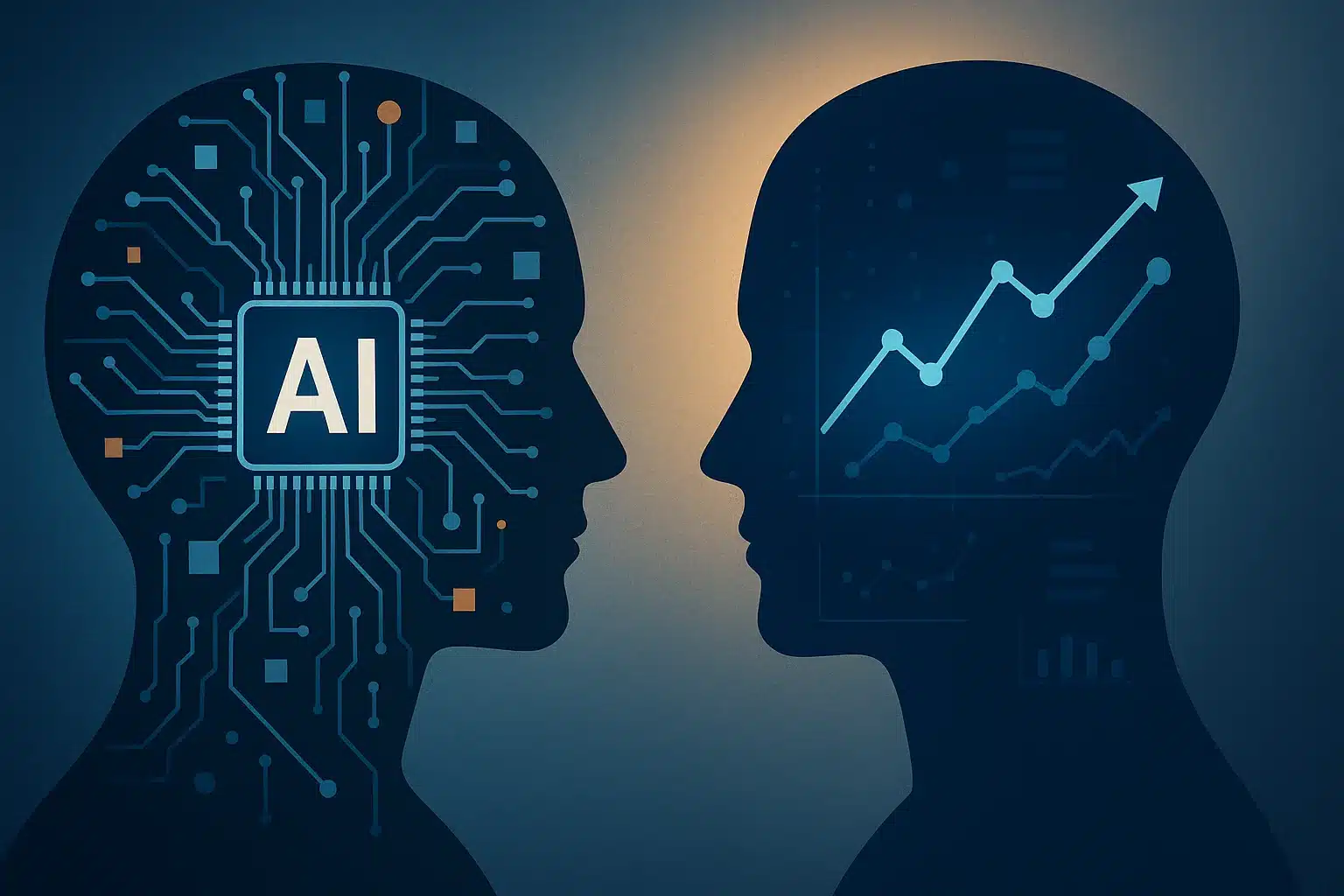
💡 The winning formula: In a single project, use Generative AI to design and create, and Predictive AI to evaluate and adjust based on data.

Which Should You Prioritize Based on Your Career Profile? 🎯
-
Creative Professionals & Communicators → Prioritize Generative AI to produce more and higher-quality work.
-
Analysts & Strategists → Prioritize Predictive AI for data-driven decision-making.
-
Hybrid Professionals → Learn both to create and then optimize with real data.
How to Combine Both to Boost Your Career 🔄
In a fast-changing work environment, mastering both makes you versatile and highly valuable.
Ideal workflow:
- Use Generative AI for ideas, prototypes, and initial content.
- Apply Predictive AI to analyze performance data and optimize results.
- Iterate for continuous improvement.

Risks and Best Practices ⚠️
-
Generative AI → Risk of biased or inaccurate content. Always review and verify outputs.
-
Predictive AI → Risk of bias in historical data. Train models with diverse, high-quality datasets.
-
Both → Protect sensitive data and comply with privacy regulations.
Frequently Asked Questions (FAQs) ❓
1. What is the main difference between Generative AI and Predictive AI?
Generative AI creates new content from prompts, while Predictive AI forecasts future outcomes based on historical data.
2. Which one should I learn first?
If your career is creative, start with Generative AI. If it’s data-focused, start with Predictive AI. Hybrid professionals should learn both.
3. Can I use both in the same project?
Absolutely — Generative AI can create content and Predictive AI can evaluate and optimize it based on performance data.
4. Are there risks in using AI for work?
Yes. Generative AI may produce inaccurate or biased content, and Predictive AI may inherit biases from its data. Always verify and ensure ethical use.
Conclusion: The Competitive Edge of Mastering Both 🏆
In my experience, Generative AI has given me speed and creativity, while Predictive AI has provided strategic vision.
The current job market rewards those who can create, predict, and adapt. It’s not about choosing one over the other, but about integrating both to build a strong, future-proof professional profile.
💡 Mastering both is, without a doubt, a massive competitive advantage.