Use AI to Identify In-Demand Skills in Your Industry
🚀 Introduction:
Why AI Is the Compass to Detect In-Demand Skills
In a constantly changing job market, experience alone is no longer enough. Industries evolve at the speed of technology, and skills that are essential today can become irrelevant in just a few years. Artificial Intelligence has become a precise compass for detecting where talent demand is heading.
Using AI to identify strategic skills is not just a competitive advantage — it’s the key to staying relevant and unlocking new opportunities.
💡 My own experience proves it: when I decided to update my professional profile, I used AI to analyze hundreds of job descriptions, detect patterns, and validate which competencies truly mattered in my sector. The result? A 65% increase in LinkedIn profile views in just three weeks.


🤖 How Artificial Intelligence Is Transforming Skill Identification
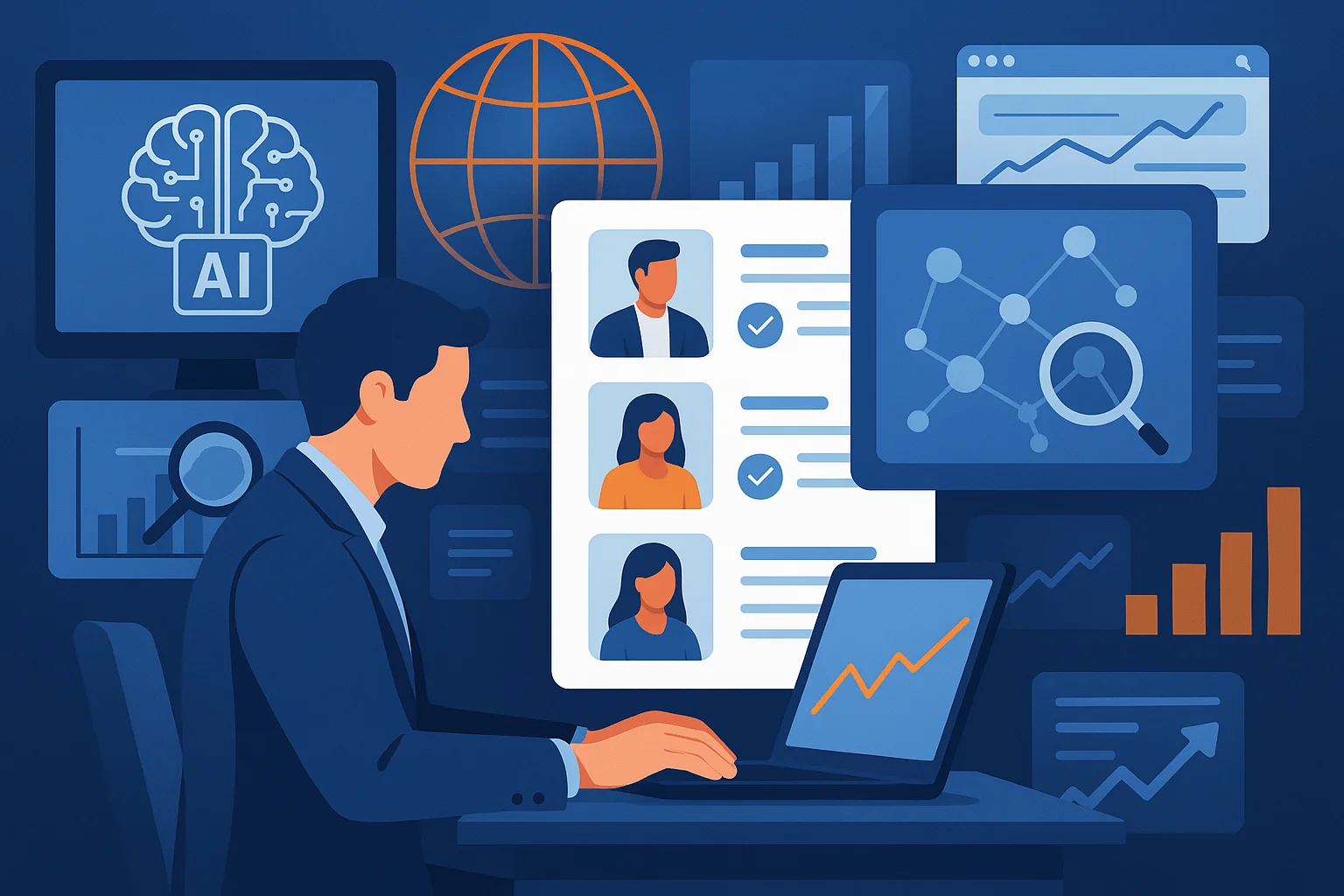
AI can process in seconds what would take an analyst weeks. From algorithms scanning job postings on a global scale to tools that cross search trends, professional network data, and market statistics, the potential is enormous.
A clear example: using ChatGPT to interpret data from job boards and detect recurring skills, or leveraging semantic analysis in LinkedIn to find competencies that appear in the most successful profiles.
The real power is not just speed, but the ability to identify hidden connections, such as emerging skills that have yet to appear in official listings.
In my case, I combined AI analysis with Google Trends to confirm whether the skills detected in job postings were also growing in global interest. This allowed me to filter out short-lived fads and focus on competencies with real long-term projection.
🛠️ Top AI Tools to Detect Strategic Skills
-
ChatGPT → Ideal for semantic analysis of large volumes of text.
-
LinkedIn Skills Insights → Detects patterns among highly employable professionals.
-
Google Trends → Validates the popularity of courses, certifications, and emerging technologies.
-
Lightcast / Burning Glass → Labor market databases that, when interpreted with AI, help prioritize strategic skills.
💡 When I combined Lightcast and ChatGPT, I didn’t just get a skills list — I got a clear map of which skills were growing, which were oversaturated, and which were just beginning to emerge.

📋 Step-by-Step Methodology
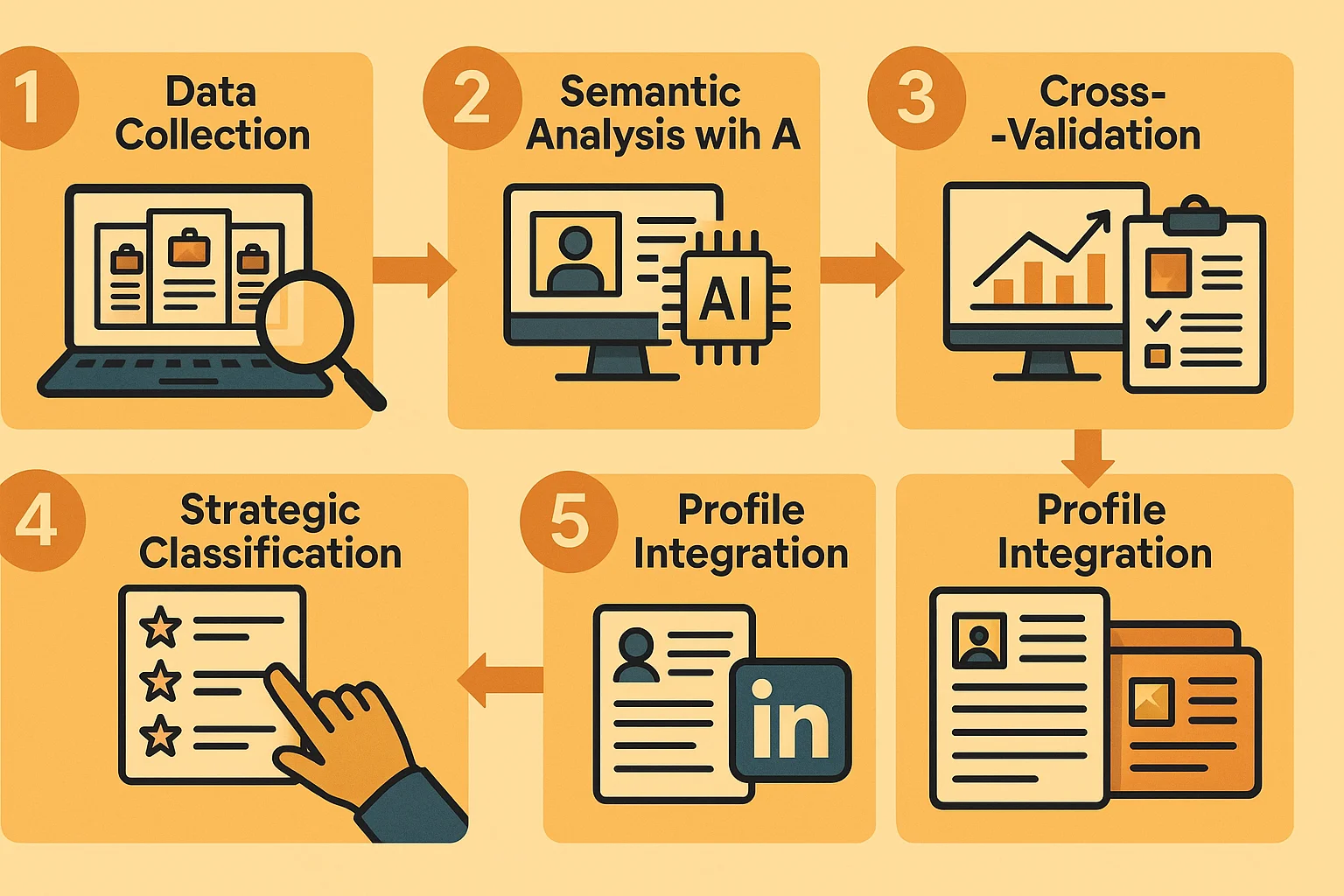
1️⃣ Data Collection → Gather at least 50 real job postings in your niche from LinkedIn, Indeed, and specialized job boards.
2️⃣ Semantic Analysis with AI → Use ChatGPT or another AI model to detect the most repeated hard and soft skills.
3️⃣ Cross-Validation → Compare your list with Google Trends and market reports to filter out short-term trends.
4️⃣ Strategic Classification → Prioritize skills by industry impact and role applicability.
5️⃣ Profile Integration → Update your resume, LinkedIn, and portfolio with measurable examples showcasing each skill.
✅ This method transformed my profile from generic to aligned with actual market demand.
📊 Real Examples of Skills Identified
Tech Skills:
-
Prompt Engineering
-
Data Analysis with Python and Power BI
-
RPA (Robotic Process Automation)
-
Cloud Computing (AWS, Azure)
Soft Skills:
-
Persuasive communication in hybrid environments
-
Analytical problem-solving
-
Adaptability to technological change
💡 Key Tips
-
Don’t rely on a single tool.
-
Validate trends before investing time.
-
Avoid overloading your profile with irrelevant skills.
-
Update your analysis every 3–6 months.

❓ Frequently Asked Questions (FAQ)
1. Why use AI to identify in-demand skills?
Because it saves time, processes large amounts of data, and detects patterns invisible to the human eye.
2. Which AI tools work best for this analysis?
ChatGPT, Google Trends, and LinkedIn Skills Insights form a powerful combination.
3. How often should I update my skill analysis?
Every 3–6 months to keep your professional profile relevant.
🎯 Conclusion
Using AI to detect in-demand skills is a solid strategy that can transform your employability. The combination of massive data analysis, trend validation, and strategic application creates a competitive edge few professionals are leveraging.
📌 As I learned: knowing which skills matter is the starting point — proving them is what opens doors.